Twenty-five CEOs, explained through sports and pop culture

The 25 BestU.S. Tech CEOsThis Century

A ruthlessly subjective ranking of the century’s defining U.S. tech CEOs, mapped to the athletes, coaches, characters, and icons who changed their games.

The official, unofficial top 25

The rankings

A Ringer-style ranking of the 25 best U.S. tech CEOs this century, according to Formation.
Am I a complete idiot who missed someone? Probably. Just @lmushin on X.

RANK#1PANTHEON
The GOAT singularity

Elon Musk

Tesla, SpaceX, xAI
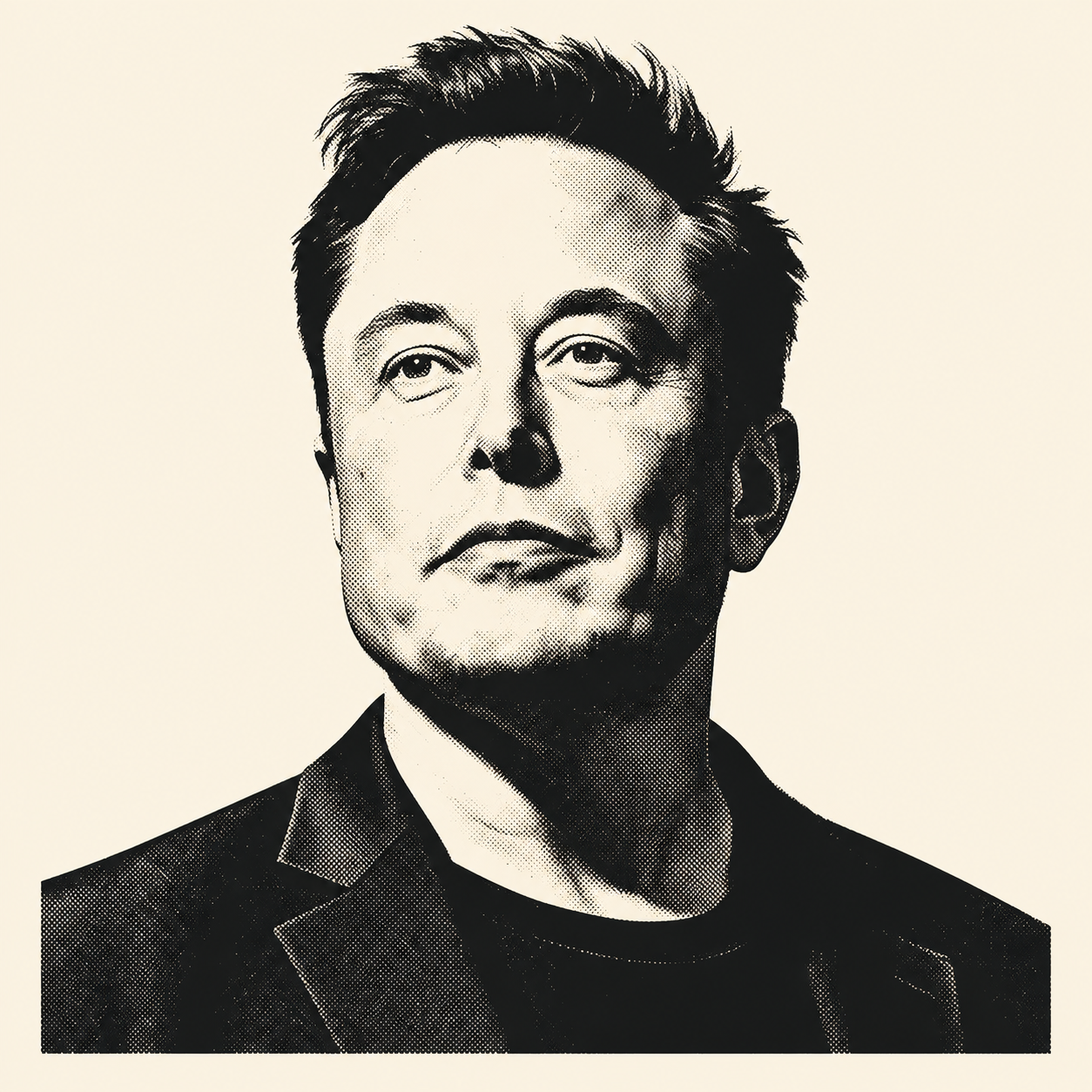
Stencil portrait of Elon Musk

The compShohei Ohtani meets Michael Jordan

Ohtani gives you the two-way impossibility: land orbital rockets with SpaceX while winning the EV war with Tesla. Jordan supplies the competitive mythology, the category-defining peak, and the sense that the whole era bends around one player. That case alone puts Musk first this century and, on this board, first ever. Then the resume keeps going: PayPal, Neuralink, xAI, The Boring Company, and co-founding OpenAI. Those would be career headliners for almost anyone else. Here they barely fit on the card. So does the widest collection of category-changing companies any modern CEO has assembled.
RANK#2PANTHEON
The heavyweight second act

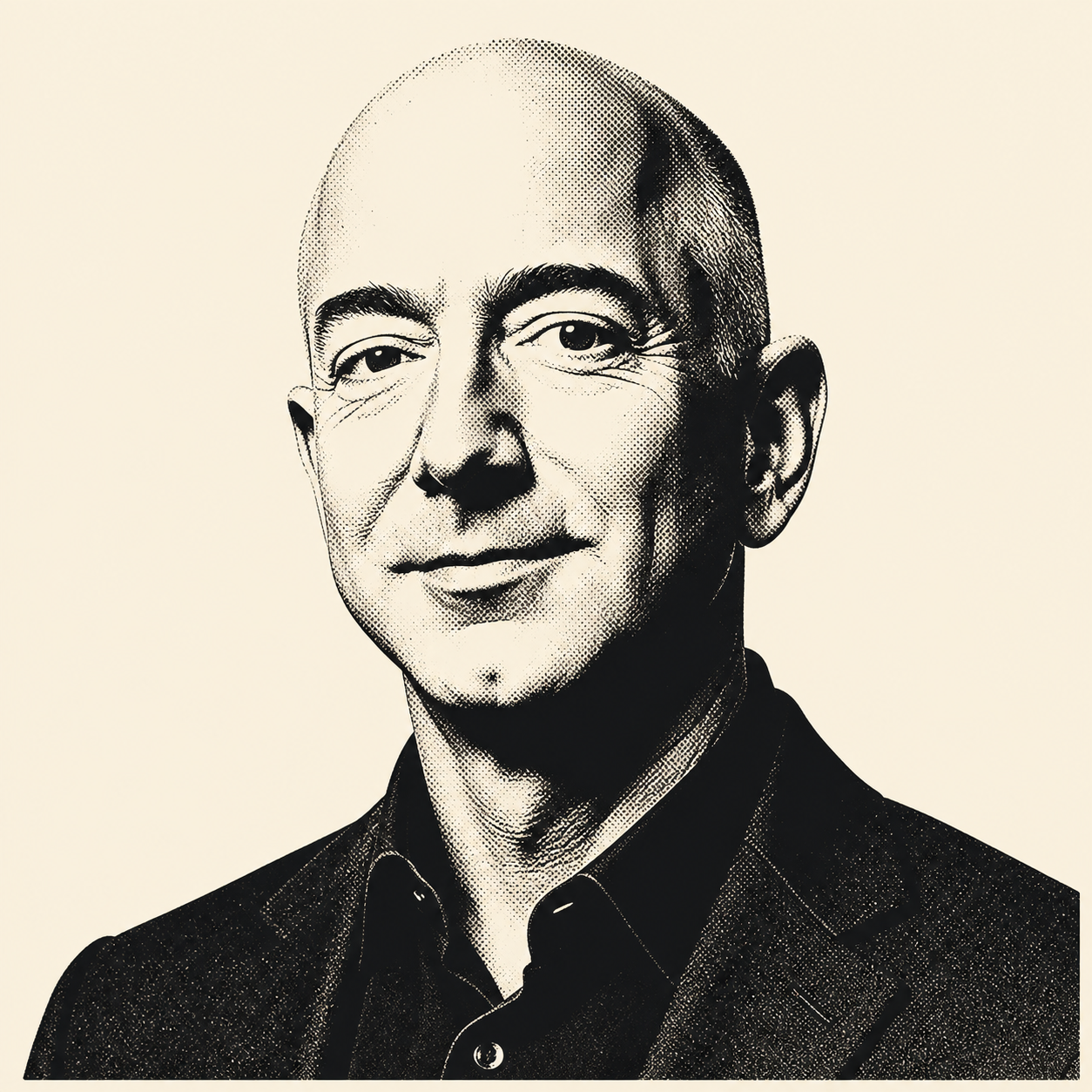
Jeff Bezos

Amazon, Prometheus

Stencil portrait of Jeff Bezos

The compGeorge Foreman

Foreman became heavyweight champion again at 45, two decades after his first reign, then turned a countertop grill into another empire. Bezos has the same absurd second-act resume. Amazon was already public and already a defining retailer when the company began building AWS. The late-career title became the most valuable part of the franchise, giving the rest of Amazon the infrastructure and cash engine to keep swinging. The bookstore made Bezos famous. AWS won the belt.

RANK#3PANTHEON
The epic homecoming

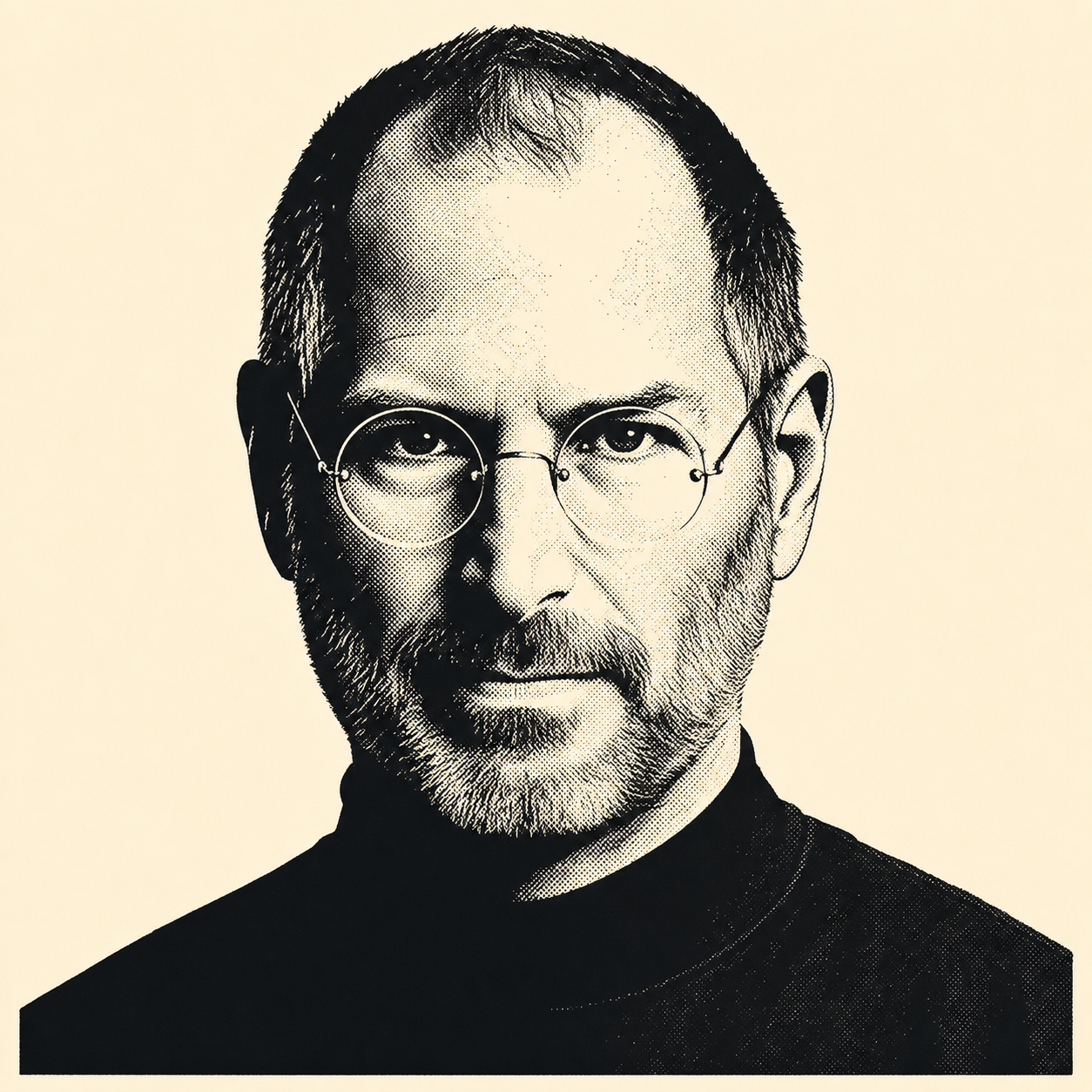
Steve Jobs

Apple, Pixar

Stencil portrait of Steve Jobs

The compMatt Damon in The Odyssey

Jobs got cast out of his own kingdom and spent the next decade on an odyssey through NeXT and Pixar before finding his way back to Apple’s shore. The exile mattered: he returned with new weapons, harder judgment, and a clearer sense of the story he wanted to tell. Then came the iMac, iPod, iPhone, and iPad - the homecoming sequence that turned a near-dead franchise into the defining empire of the era. Plenty of founders promise a return to Ithaca. Jobs actually made it back and ruled.

RANK#4
The geometry changer

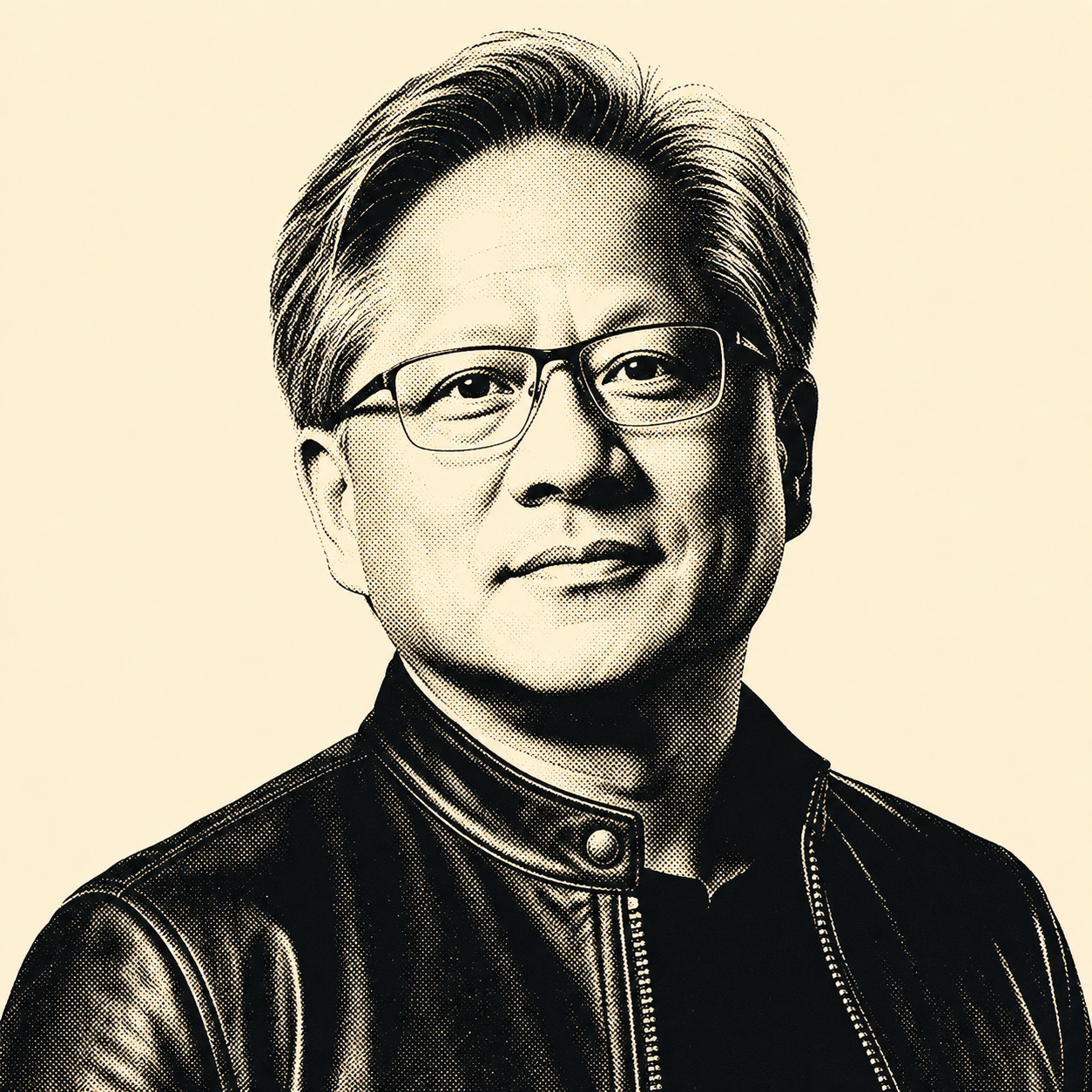
Jensen Huang

Nvidia

Stencil portrait of Jensen Huang

The compSteph Curry

Undersized, overlooked, betting his whole career on a shot everyone called a gimmick - until the entire league had to gut the arena and rebuild it around what he unlocked. CUDA was the three-pointer: unfashionable for a decade, then suddenly the only thing that matters. Same jersey his whole career, which nearly nobody else here can say. His shot changed the geometry of the game.

RANK#5
The immortal adapter

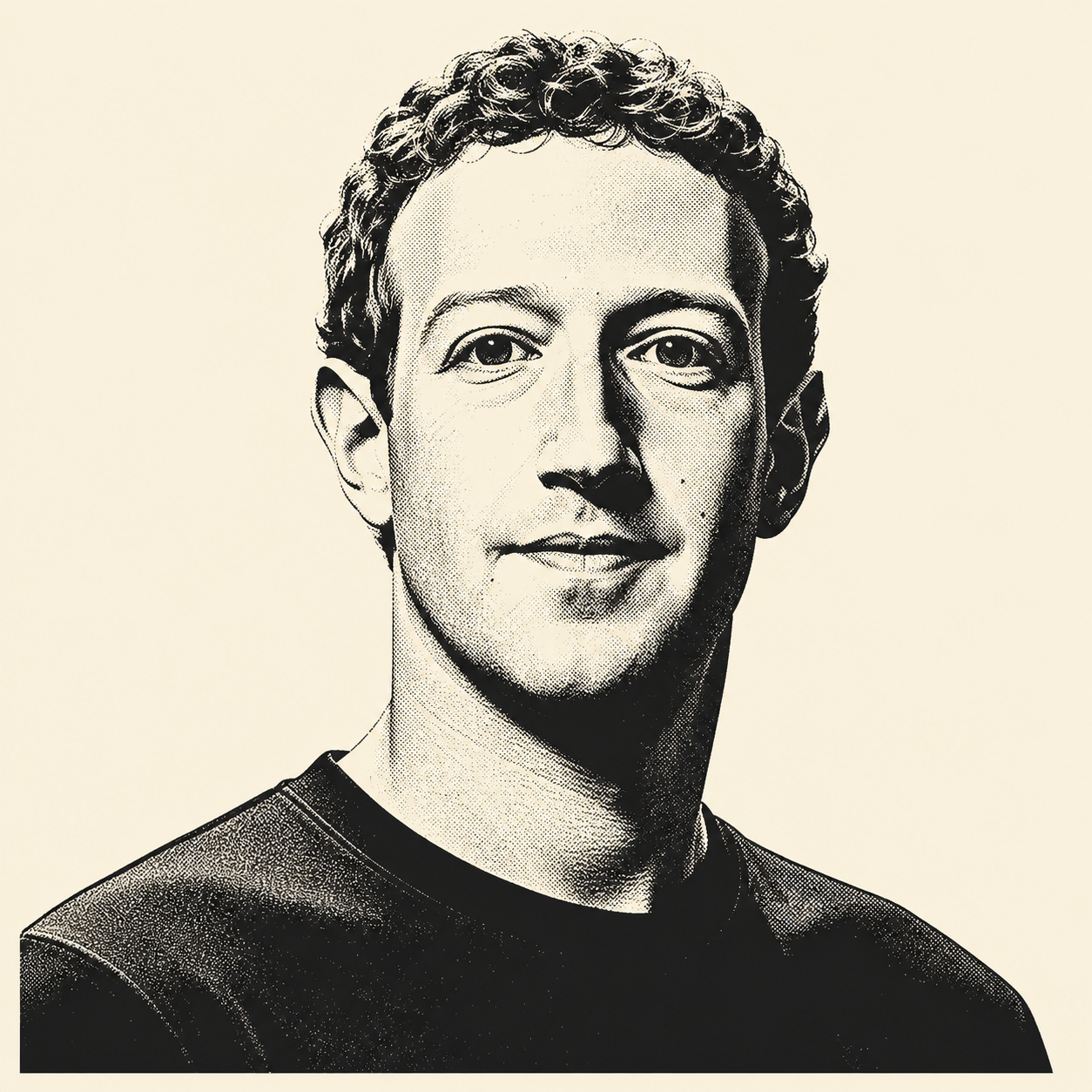
Mark Zuckerberg

Meta

Stencil portrait of Mark Zuckerberg

The compTom Brady

Won the whole thing absurdly young, got written off as a system guy who lucked into it, then spent twenty years adapting every time the league tried to legislate him out. The mobile pivot was the new offense; Instagram and WhatsApp were the free-agent hauls; Reels was the scheme change to smother the young upstart. And now there’s the late-career body-and-persona reinvention nobody requested but everybody clocked. Still starting, still winning, still doubted, still here.

RANK#6
The culture reset

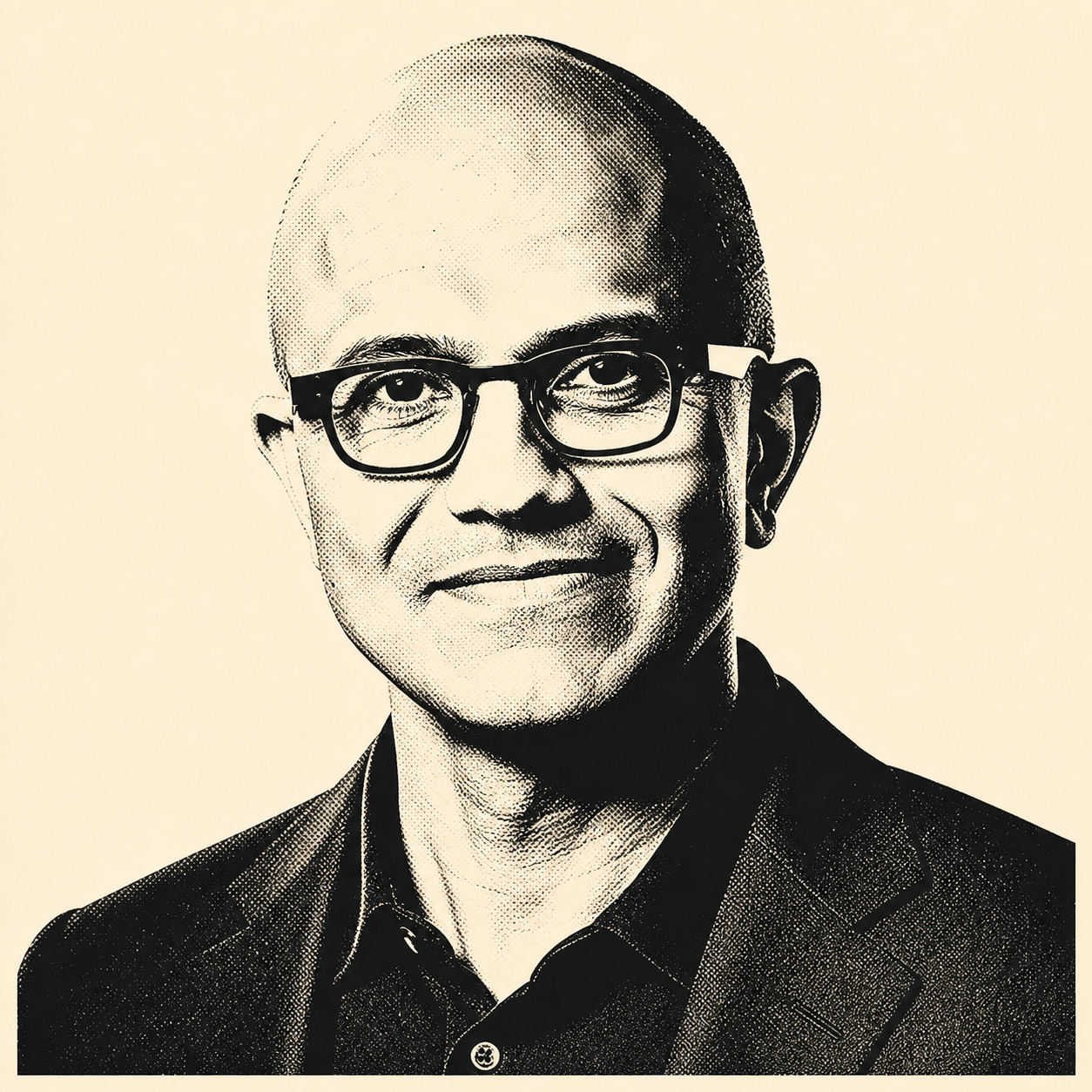
Satya Nadella

Microsoft

Stencil portrait of Satya Nadella

The compSteve Kerr

Inherited a famous franchise that looked trapped, changed the culture before changing the scoreboard, and installed a system built for the way the next decade would actually be played. Azure was the motion offense; subscriptions were the spacing; a newly open posture was the ball movement. The prescient OpenAI deal positioned Microsoft for the next shift before the rest of the league saw it coming. The talent was always there. Nadella made it coherent again.

RANK#7
The serial reinvention

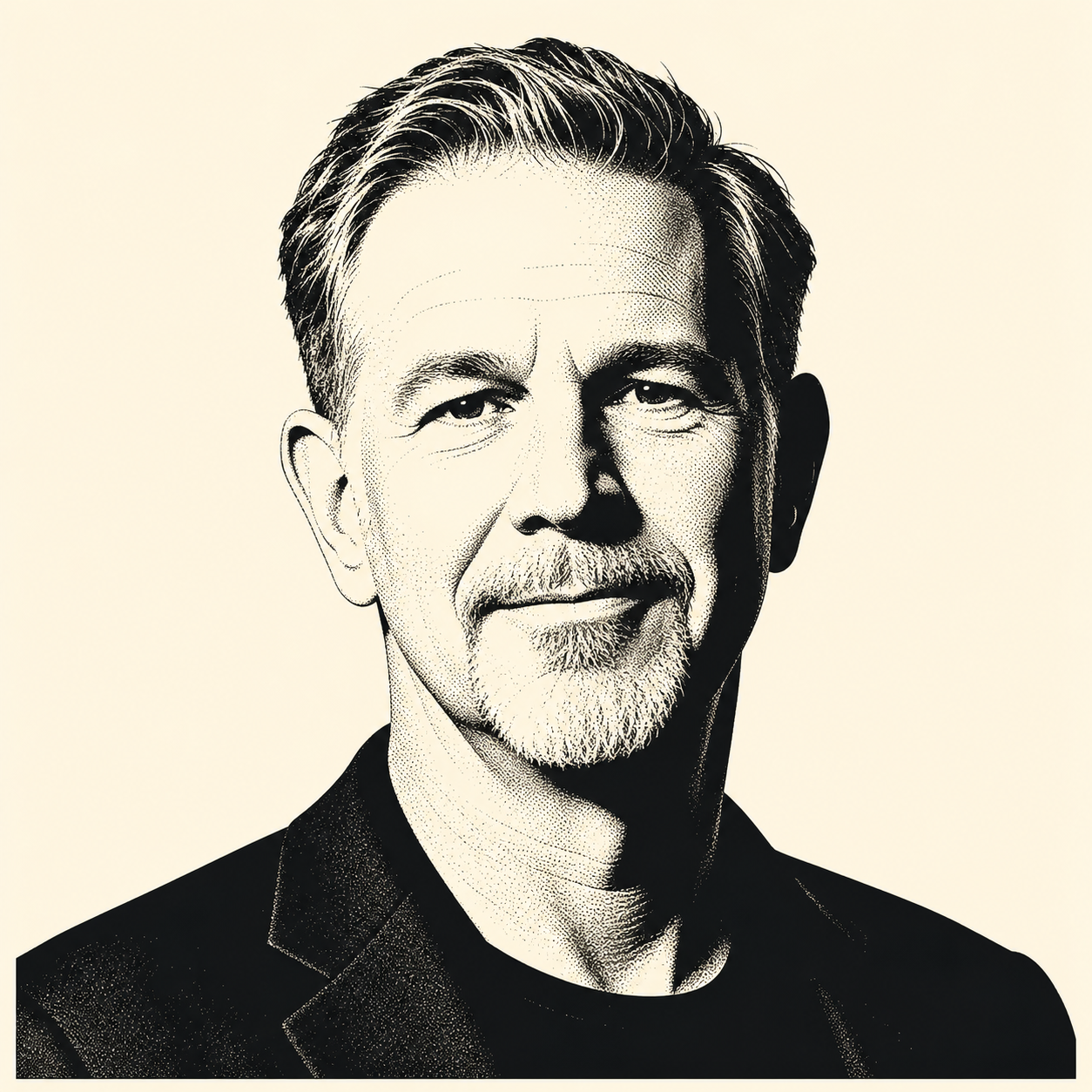
Reed Hastings

Netflix

Stencil portrait of Reed Hastings

The compNick Saban

Like Saban, Hastings built a dynasty by leaving a working model behind before the rest of the league understood what came next. DVD-by-mail was already winning when Netflix committed to streaming and changed the offense for everyone. Qwikster was his Dolphins season - a public, humbling failure that looked capable of ending the run. Hastings recovered, turned a distributor into a global studio, and kept stacking titles.

RANK#8
The Citadel takeover

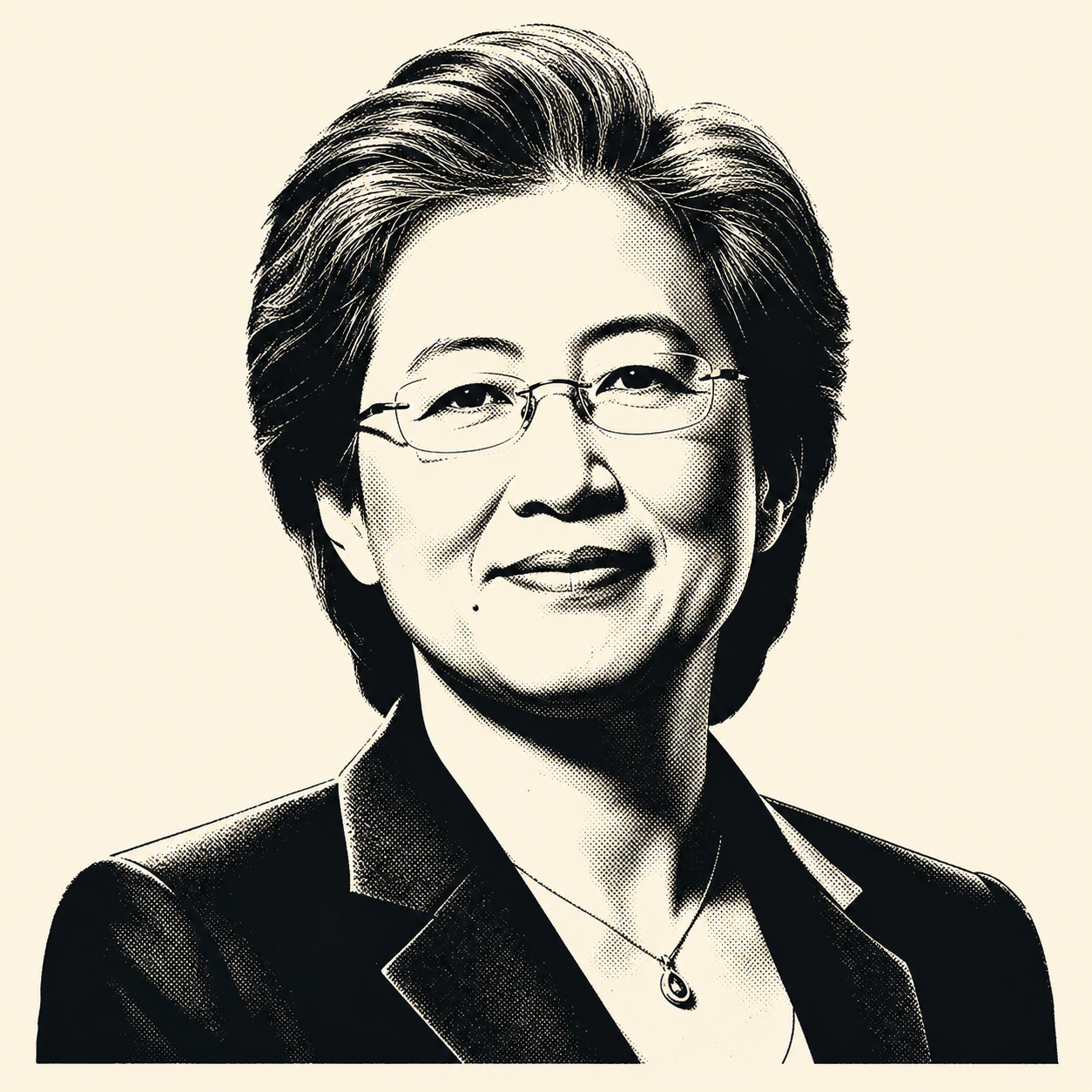
Lisa Su

AMD

Stencil portrait of Lisa Su

The compCharlize Theron as Furiosa in Mad Max: Fury Road

AMD looked like a convoy running on fumes when Su took the wheel. Her Furiosa turn begins with the realization that survival is too small a goal. She turns the whole machine around and drives straight back at the people who owned the horizon. Zen was the war rig rebuilt in motion. Within a few years, AMD was trading punches with Intel’s old empire and Nvidia’s new one. Su inherited the rebellion and made it capable of winning.

RANK#9
The Los Alamos operator

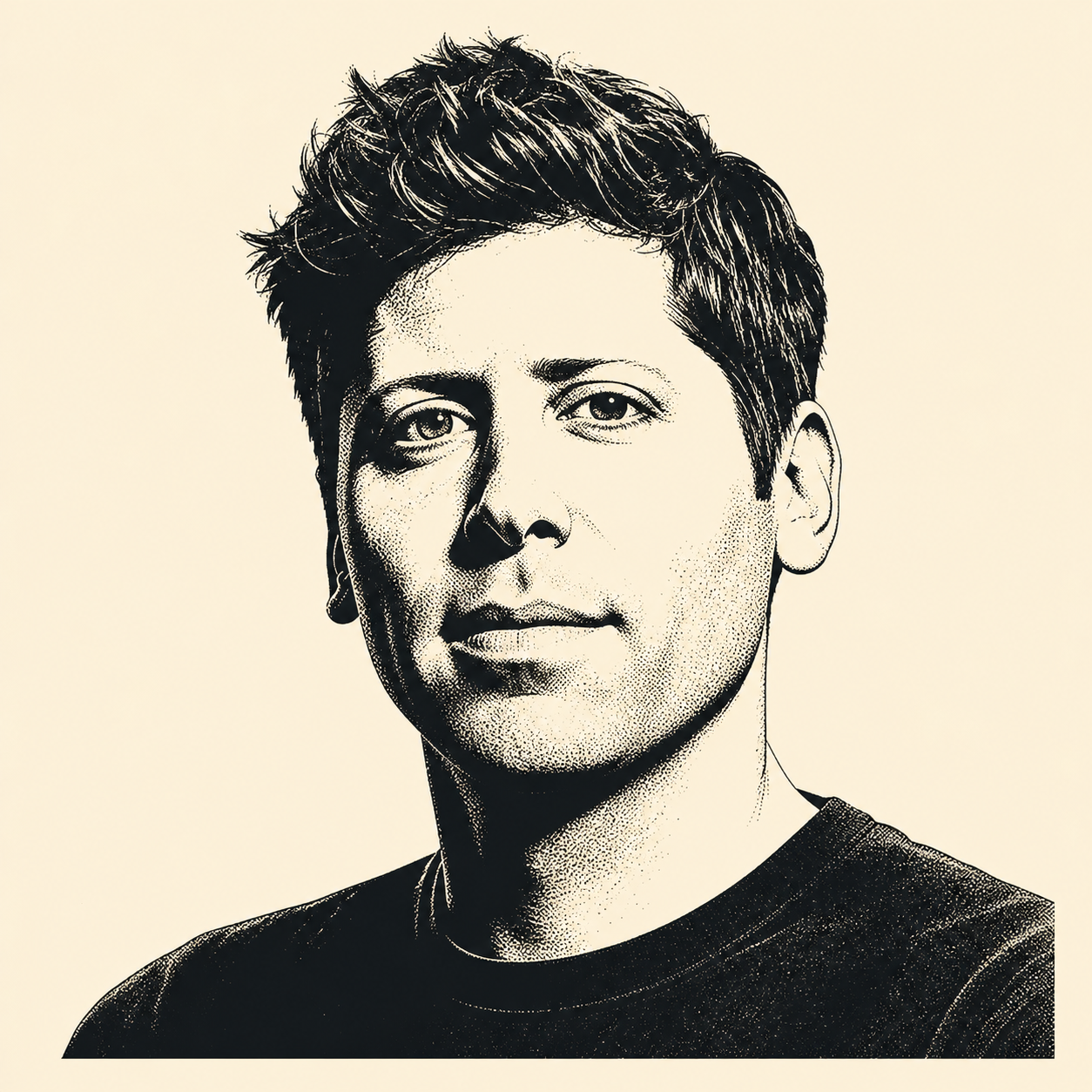
Sam Altman

OpenAI

Stencil portrait of Sam Altman

The compJ. Robert Oppenheimer

The Oppenheimer comp begins with the management problem: a room full of brilliant, eccentric people, enormous stakes, and consequences that outrun the org chart. Altman’s defining skill has been managing that room - recruiting scientists, capital, partners, and political attention while keeping the project moving through constant ideological and institutional chaos. The 96-hour ouster and return sharpened the comp. The lab tried to remove the man holding the coalition together, then discovered how much of the coalition was attached to him. The technology changes the stakes. The management keeps the machine pointed in one direction.

RANK#10
The principled defection

Dario Amodei

Anthropic

Stencil portrait of Dario Amodei

The compPrince Zuko in Avatar: The Last Airbender

Amodei left the most powerful AI lab at the peak of its momentum because he no longer trusted the direction of travel. Like Zuko walking away from the Fire Nation, his exit became a public bet that choosing the right side matters more than keeping the strongest uniform. Anthropic turns that redemption arc into a company - less proven than OpenAI, more explicit about its code, and still early enough that the ending has not been written.

RANK#11
The beautiful chaos

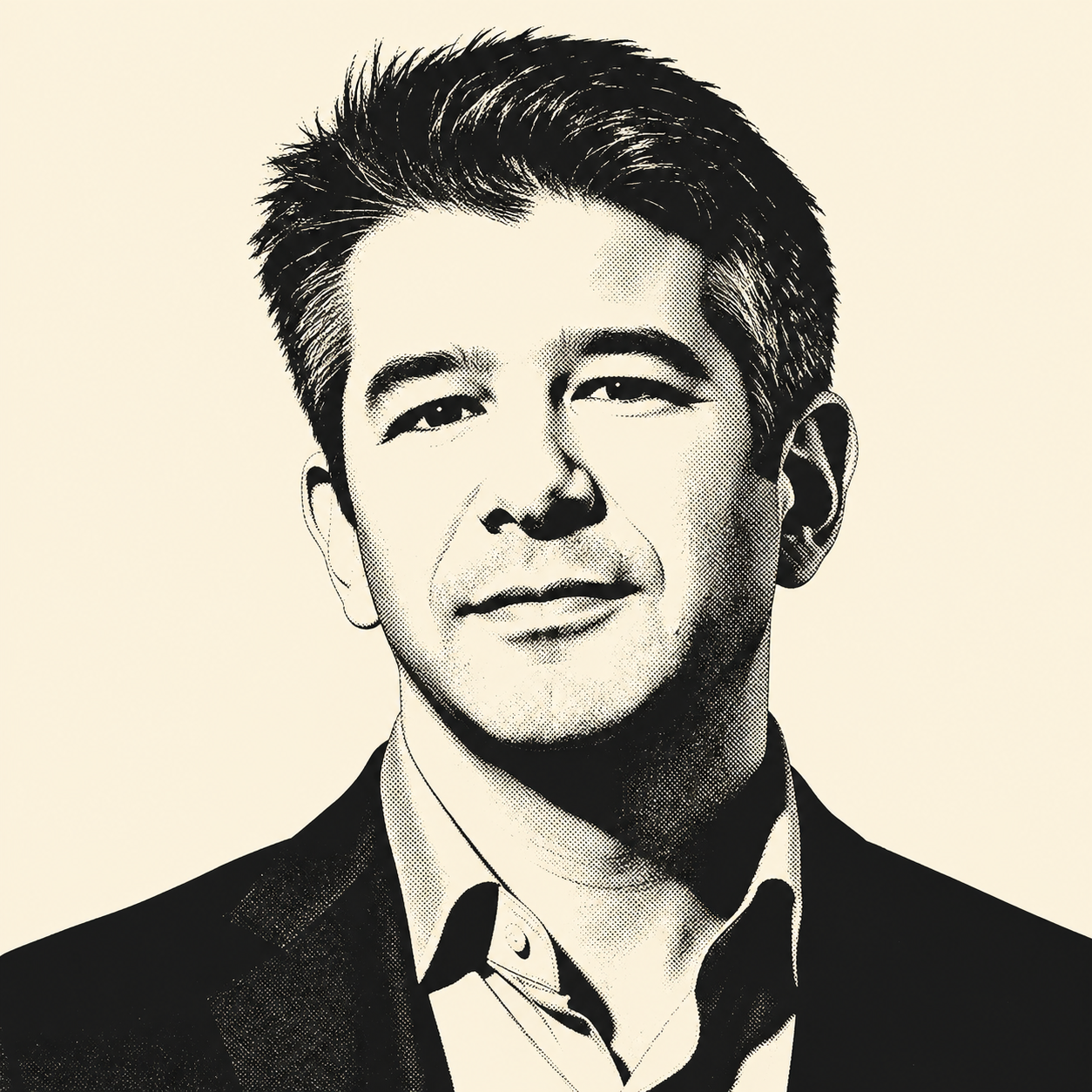
Travis Kalanick

Uber, Atoms

Stencil portrait of Travis Kalanick

The compDiego Maradona

Kalanick has the Maradona gift: every touch bends the field, every victory carries theater, and the same force that creates the miracle can destabilize the whole club. Uber changed urban transportation, then pushed its founder out while the franchise kept growing. Kalanick disappeared from one stage and made the next one orbit him. Atoms, his industrial AI and robotics company, has now announced a $1.7 billion equity investment led by a16z. The new bet expands the old instinct from moving people through cities to moving the physical world itself. The chaos travels. So does the ambition.

RANK#12
The ruthless front office

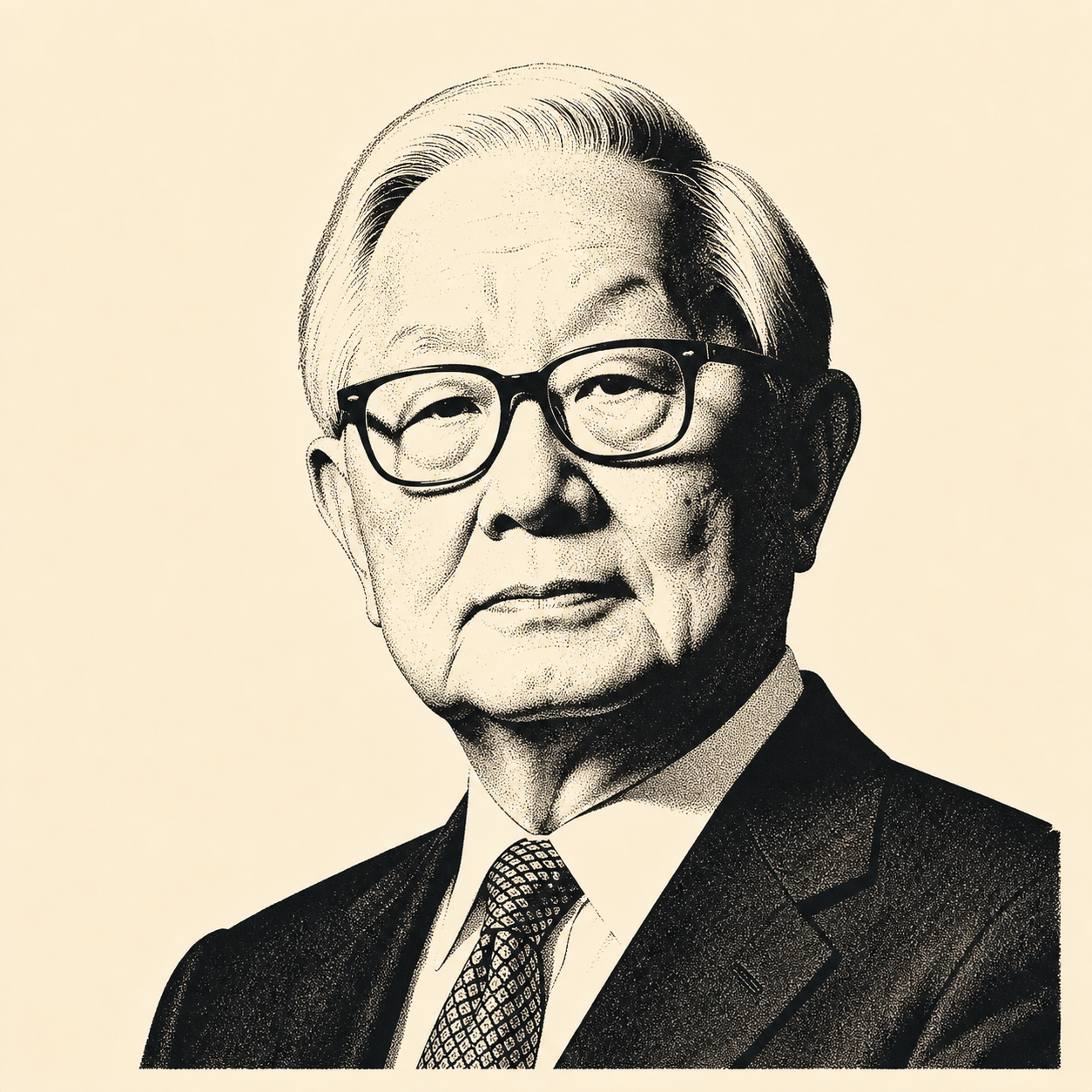
Hock Tan

Broadcom

Stencil portrait of Hock Tan

The compPat Riley meets Andy Cohen

Tan runs Broadcom like Pat Riley holding Andy Cohen’s casting sheet. The $61 billion VMware acquisition is the crossover episode that makes the analogy stick: he took an iconic software franchise and folded it into Broadcom’s expanding infrastructure universe. He acquires properties that already command their niche, cuts whatever slows the machine, and makes every cast member serve the larger season. Riley supplies the ruthless roster discipline; Cohen supplies the instinct for turning distinct properties into one endlessly expandable franchise. Every deal carries Tan’s fingerprints. Everyone knows who controls the show.

RANK#13
The indispensable quartermaster

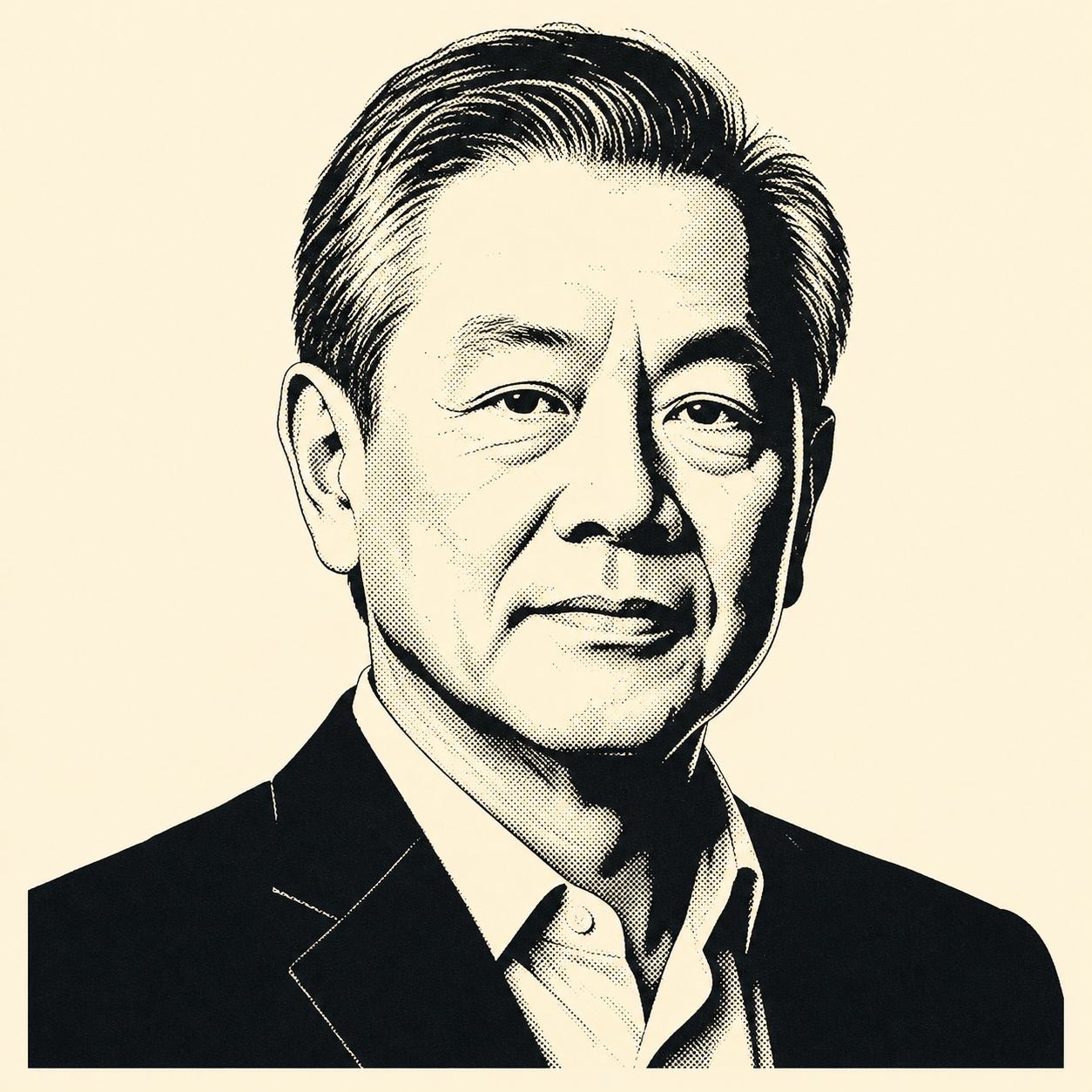
Morris Chang

TSMC

Stencil portrait of Morris Chang

The compQ in the James Bond movies

The heroes arrive with impossible plans; Q quietly makes sure the technology exists to pull them off. That is Chang’s place in the semiconductor universe. By separating chip design from manufacturing, he built TSMC into the foundry behind nearly every ambitious mission - neutral, exacting, and almost impossible to route around. Apple, Nvidia, AMD: different agents, different assignments, same quartermaster.

RANK#14
The contrarian tactician

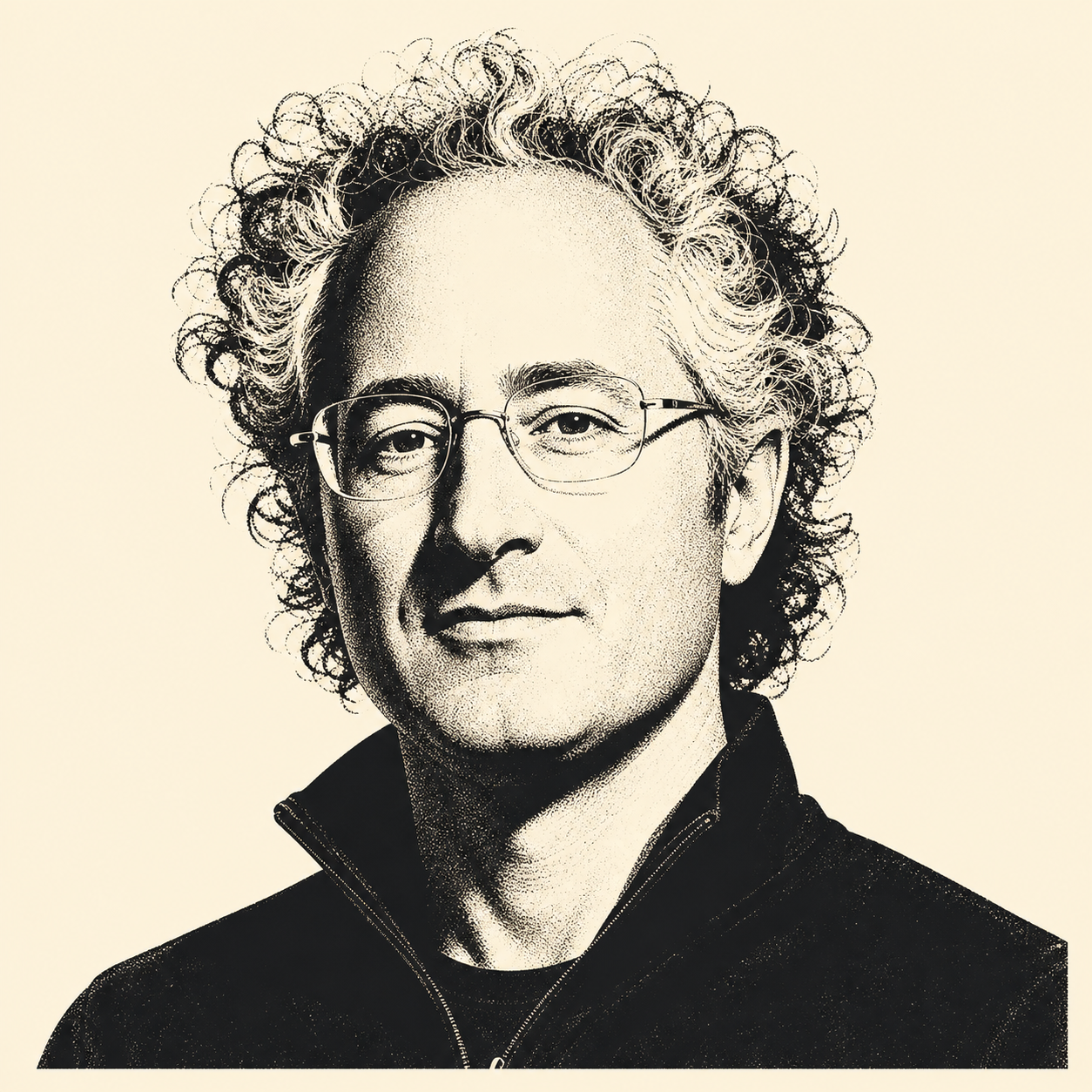
Alex Karp

Palantir

Stencil portrait of Alex Karp

The compJosé Mourinho

Theatrical, polarizing, strategically obsessive, and completely uninterested in winning a style-points contest. Karp built Palantir for the matches where the stakes are real, the data is messy, and the client cannot afford a pretty loss. Critics see the provocation; customers see a tactician who wants the hardest assignment on the schedule. You may dislike the press conference. The game plan travels.

RANK#15
The dynasty manager

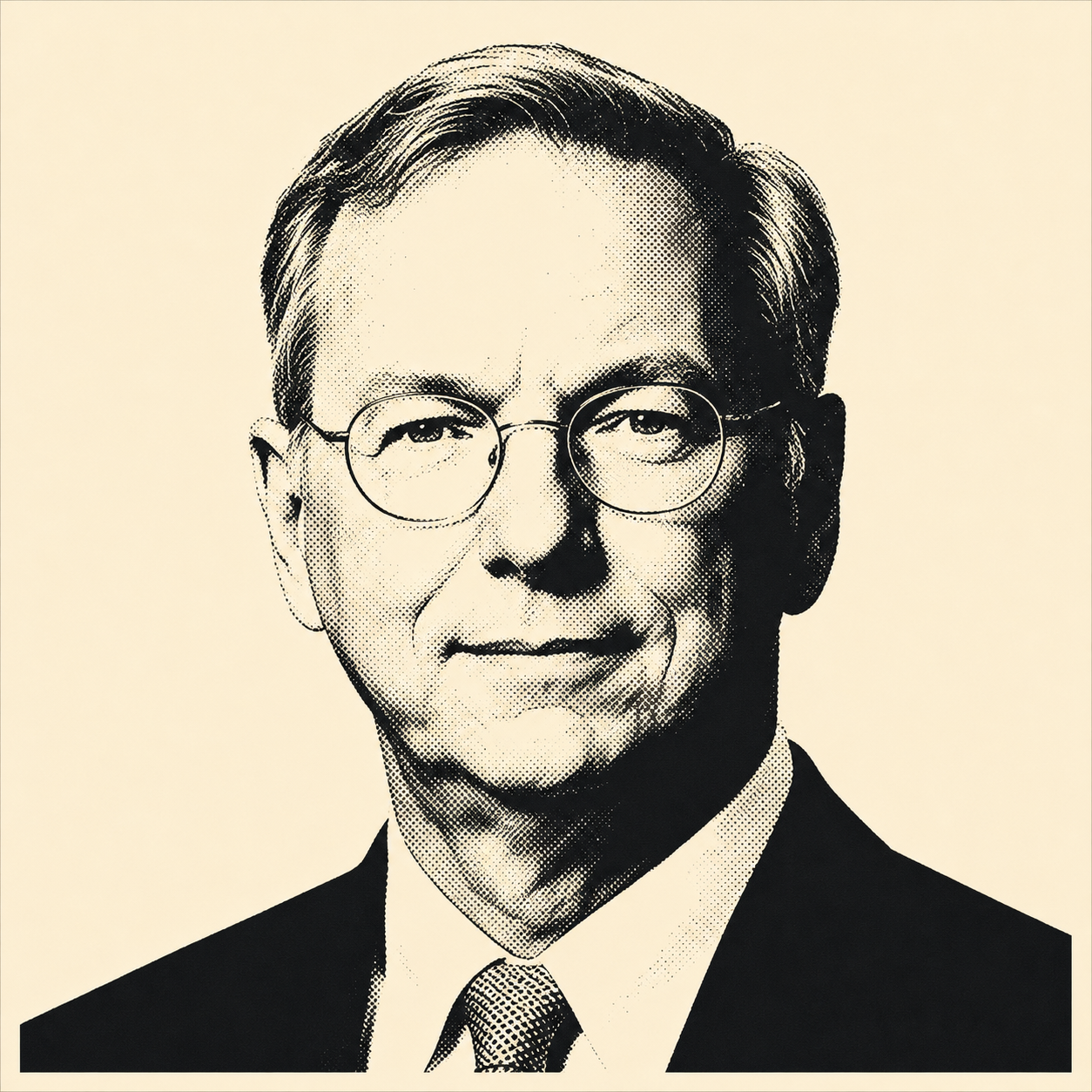
Eric Schmidt

Google

Stencil portrait of Eric Schmidt

The compPhil Jackson

Joined a team with transcendent young talent and helped turn brilliance into a durable organization. Schmidt professionalized Google without sanding away the founders’ ambition, built the operating structure for Search and Ads to scale, and managed the egos and experiments that came with a roster capable of redefining the sport. Sundar Pichai later inherited that institution, which gives Schmidt the edge here.

RANK#16
The eternal owner

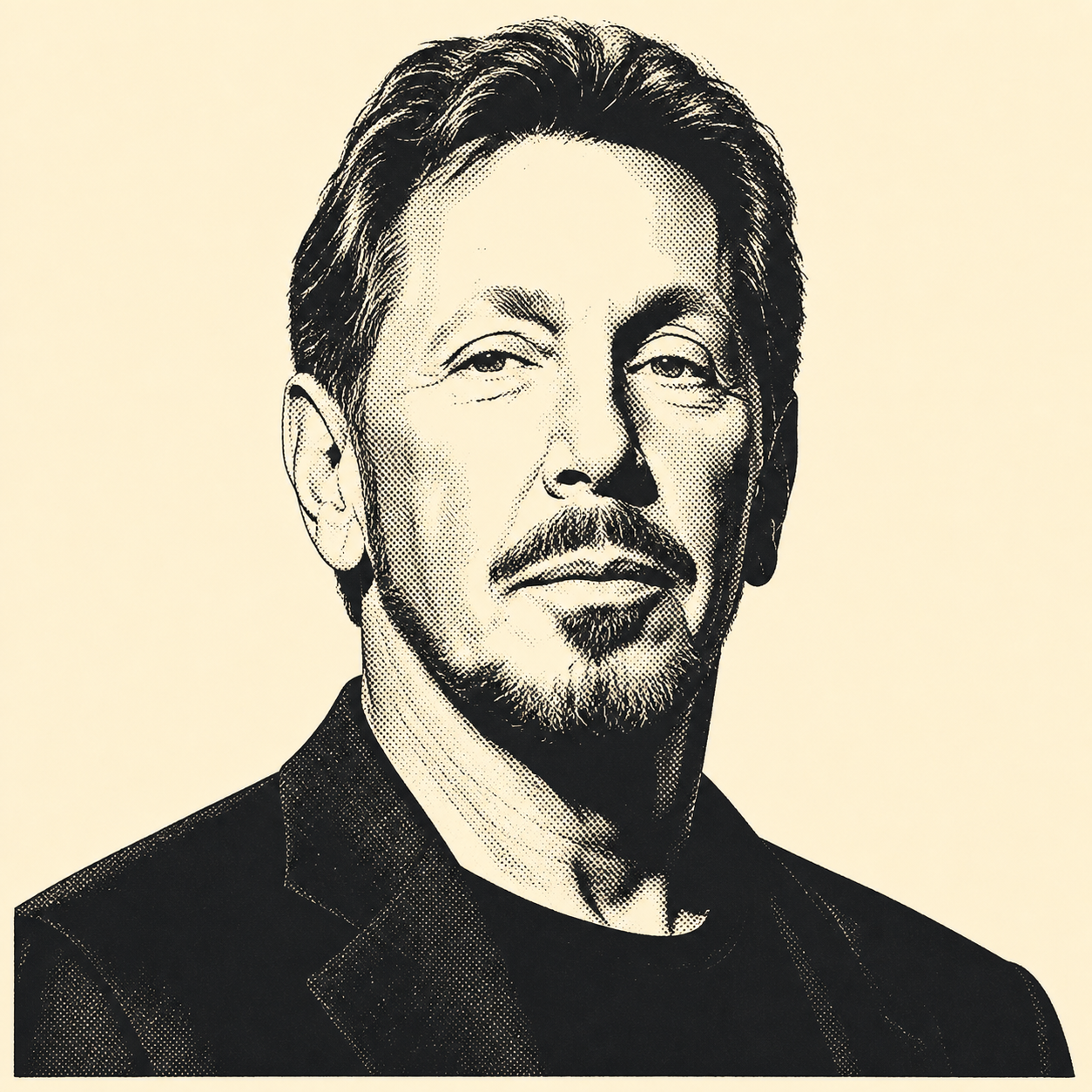
Larry Ellison

Oracle

Stencil portrait of Larry Ellison

The compGeorge Steinbrenner

Combative, acquisitive, allergic to small ambitions. Ellison built Oracle into the database empire every enterprise had to reckon with, then kept buying veteran talent and retooling the roster as the game moved from client-server software to the cloud. The swagger became the operating system. He has spent five decades treating every market like a rivalry game.

RANK#17
The blockbuster second act

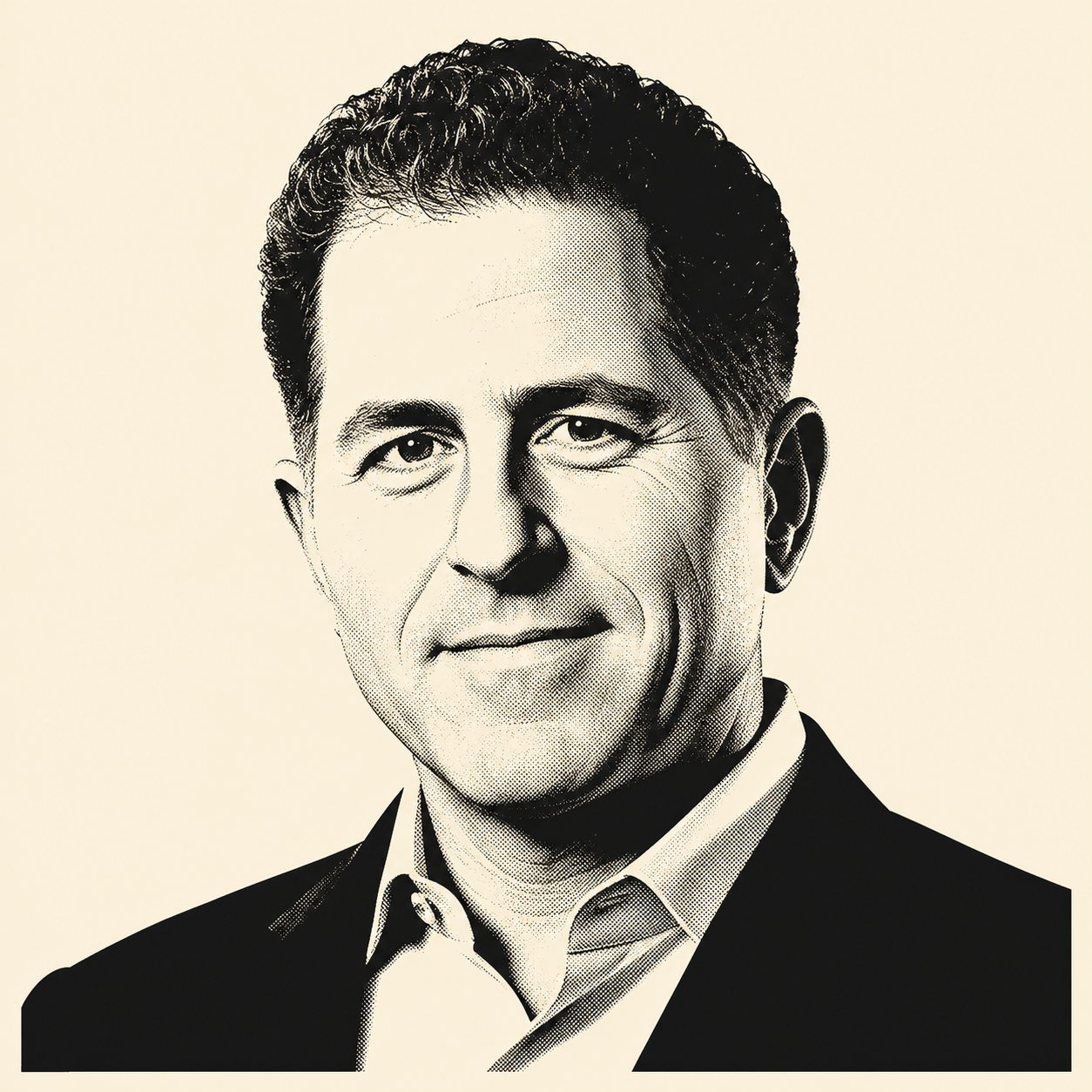
Michael Dell

Dell Technologies

Stencil portrait of Michael Dell

The compRobert Downey Jr. becoming Iron Man

Dell’s University of Texas dorm-room rise was already a complete origin story. Then the PC pioneer became an incumbent, the market moved on, and the founder returned to take the company private. That is the Downey-to-Iron-Man turn: disappear from the center of the culture, rebuild away from the spotlight, and come back in a role larger than the one that made you famous. The EMC deal completed the suit, transforming Dell from a PC brand into an infrastructure empire.

RANK#18
The two-franchise icon

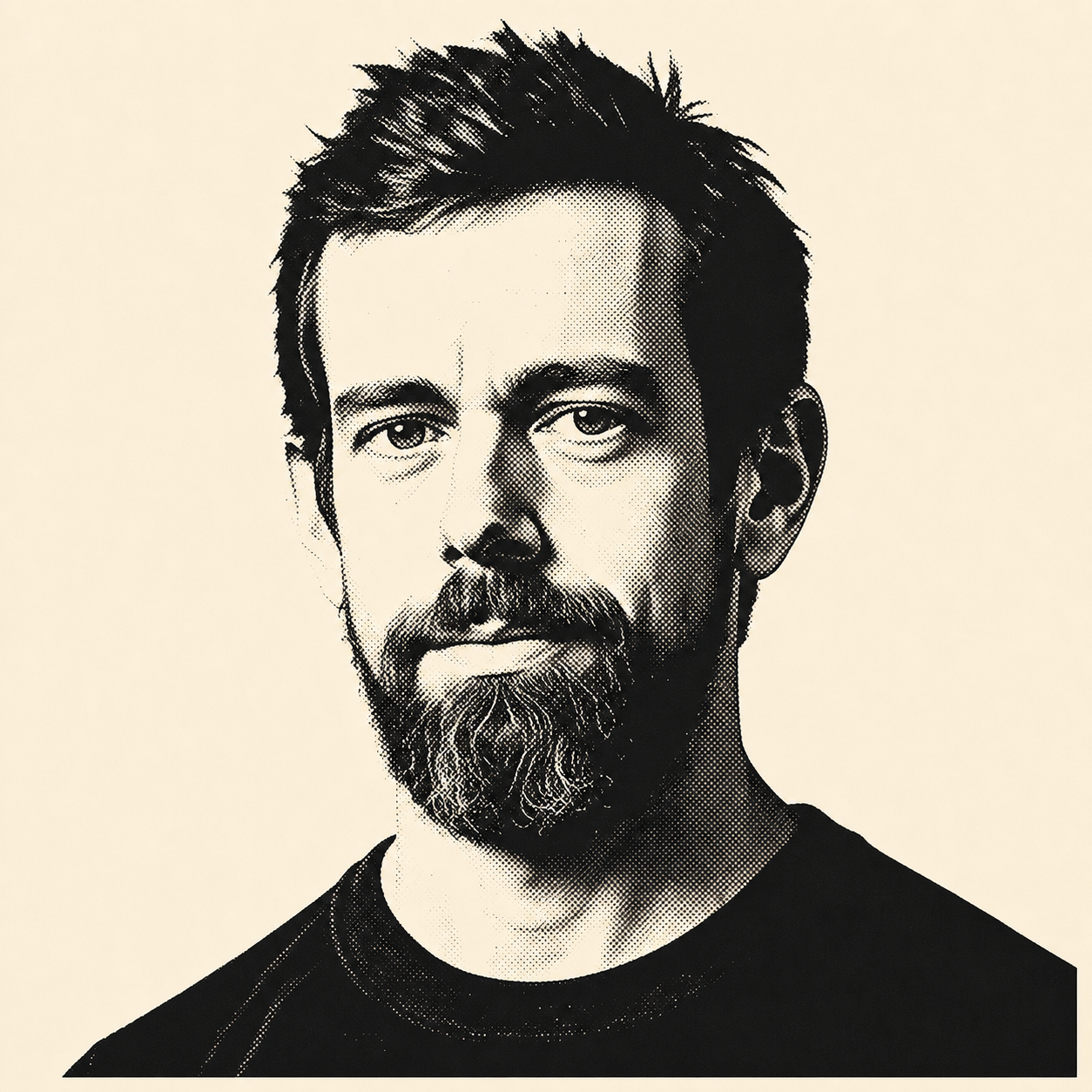
Jack Dorsey

Twitter, Block

Stencil portrait of Jack Dorsey

The compDeion Sanders

Few founders have been the visual shorthand for two different leagues. Dorsey helped make Twitter the world's live scoreboard, then turned a small card reader into Block's expanding financial ecosystem. The product instinct was always minimal: remove friction, make the action legible, let the network create the spectacle. Two franchises, one very specific aura. Will Buzz be Jack’s 3rd sport, and what if Deion played hockey?

RANK#19
The expansion-league commissioner

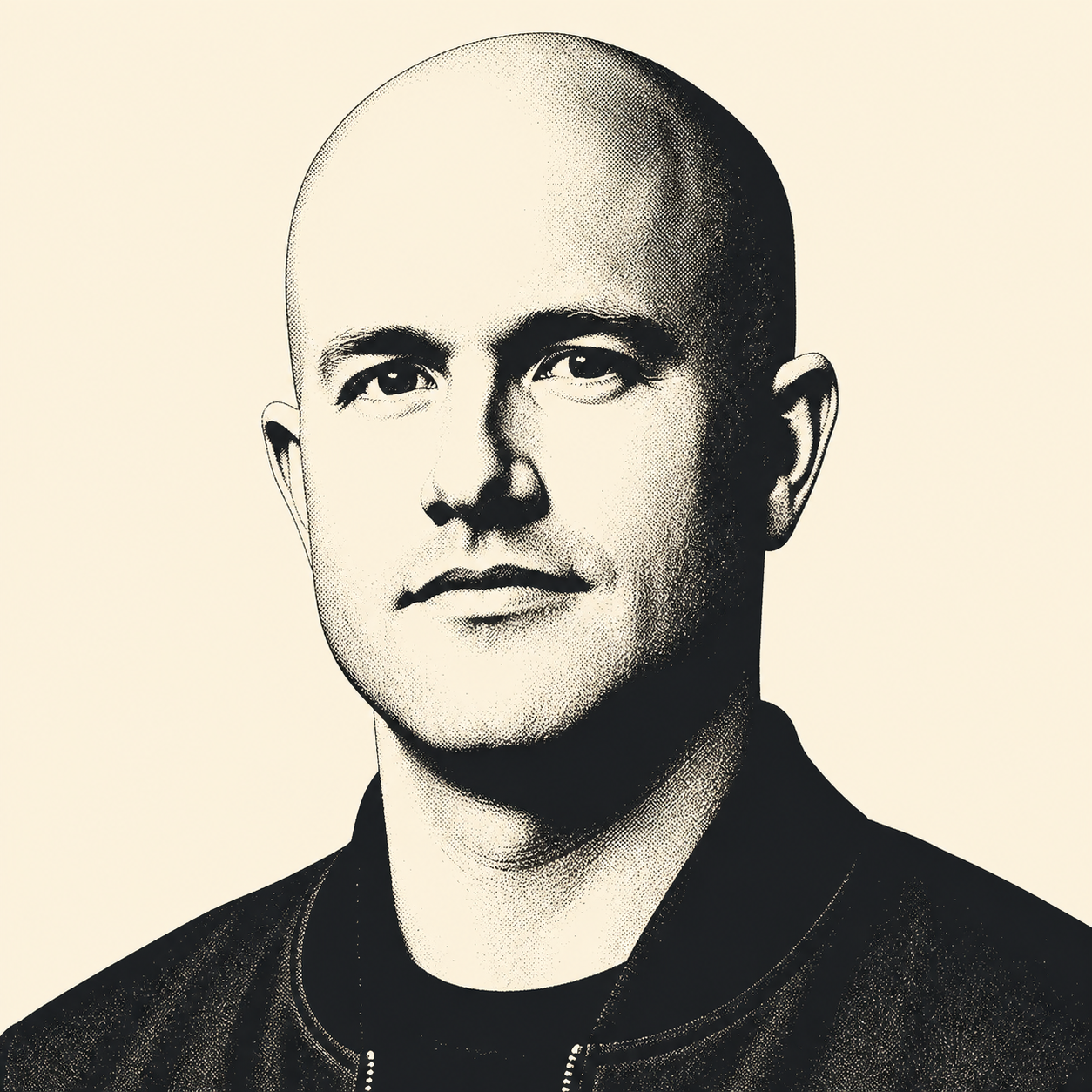
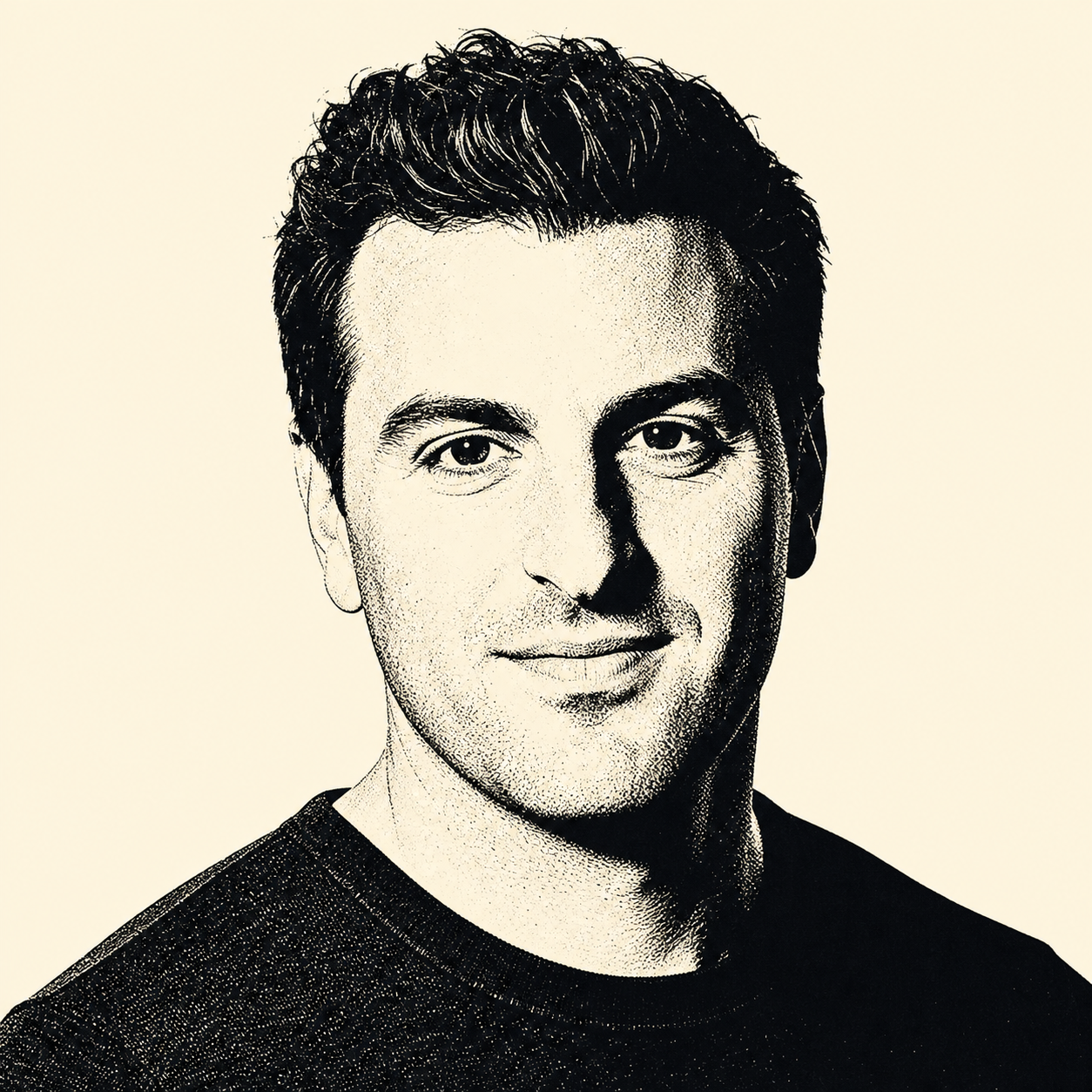
Brian Armstrong

Coinbase

Stencil portrait of Brian Armstrong

The compDon Garber

Garber took MLS from a shaky American experiment to a durable league with real stadiums, major owners, global talent, and a place in the sports conversation. Armstrong has played the same role for crypto. Coinbase gave a chaotic category a public flagship that could survive crashes, regulators, and rival rulebooks. Crypto still has a long way to go before it looks like a mature league, but both Brian and Don have built something that will last, even with all the haters.

RANK#20
The serial turnaround coach

Frank Slootman

Data Domain, ServiceNow, Snowflake

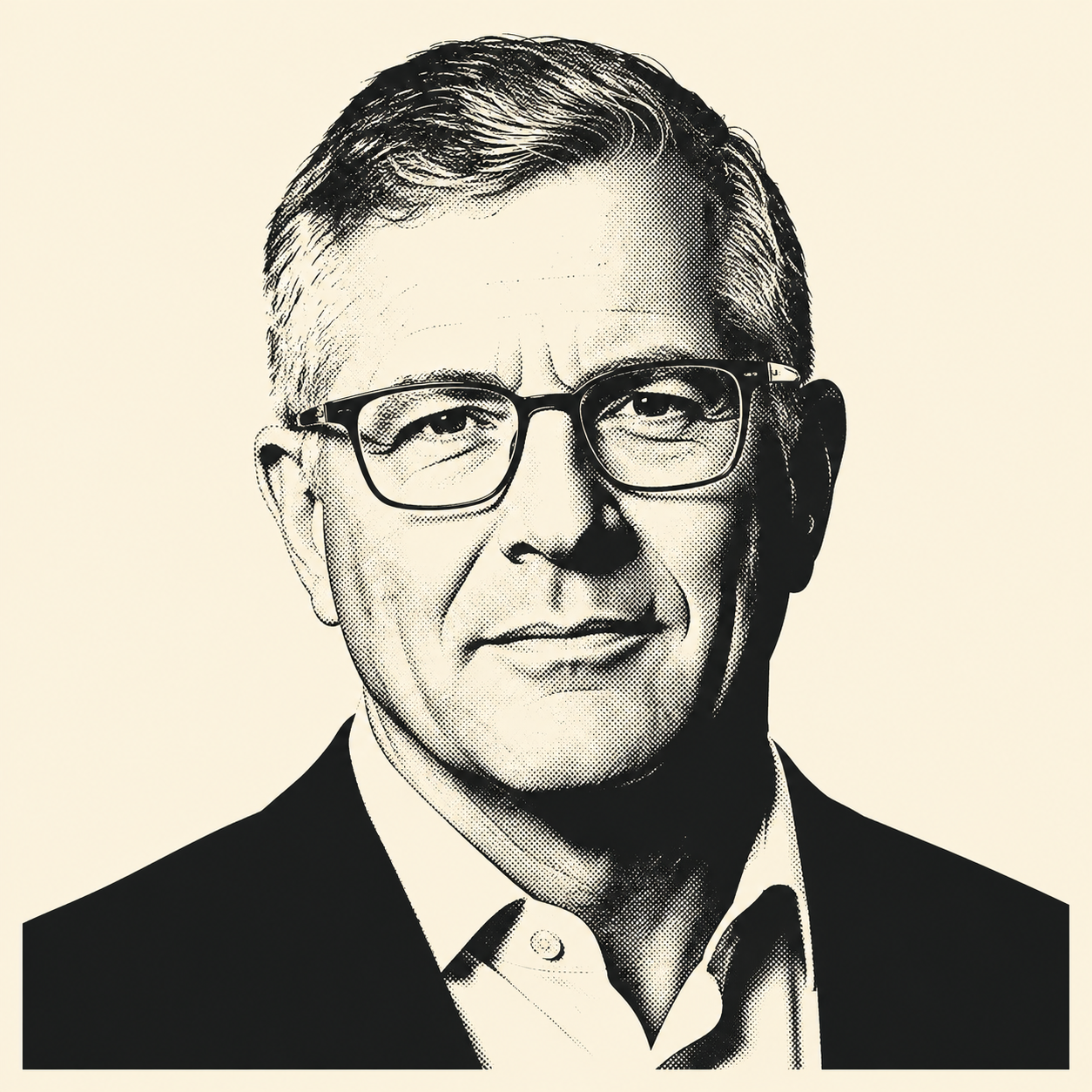
Stencil portrait of Frank Slootman

The compPep Guardiola

Different club, same demand: raise the standard immediately. Across Data Domain, ServiceNow, and Snowflake, Slootman did what Guardiola has done in Barcelona, Munich, and Manchester - walked into talented organizations, imposed an exacting system, and made yesterday’s success feel insufficient. Both are European, which may be the least rigorous evidence on this entire board, but the comp holds. The tactics evolve; the obsession with tempo, accountability, and control never does. Few leaders have reset the operating temperature in three separate buildings so reliably.

RANK#21
The second-act lifer

Sanjay Mehrotra

SanDisk, Micron

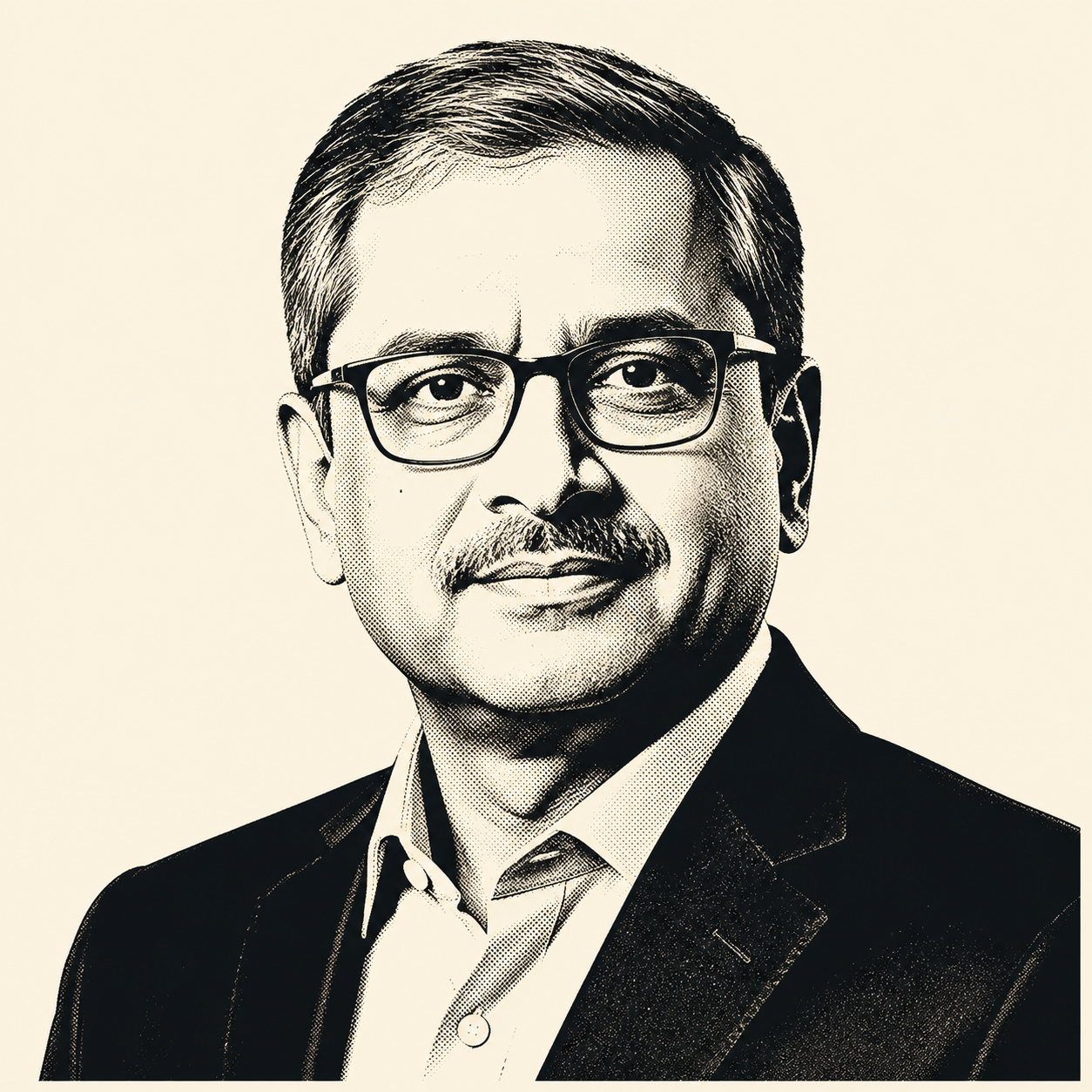
Stencil portrait of Sanjay Mehrotra

The compAndy Reid

A builder with enough scar tissue to understand every cycle of the game. Mehrotra co-founded SanDisk, then brought decades of storage and semiconductor judgment to Micron. Reid spent years as the brilliant coach who could never win the final game. Then the Super Bowls came and the whole resume snapped into focus. Mehrotra’s moment has the same late-career feeling: memory and storage now sit at the center of the AI buildout, making his companies’ categories more important than ever. Patient scheme design, technical depth, and veteran craft finally have a championship window.

RANK#22
The category showman

Marc Benioff

Salesforce

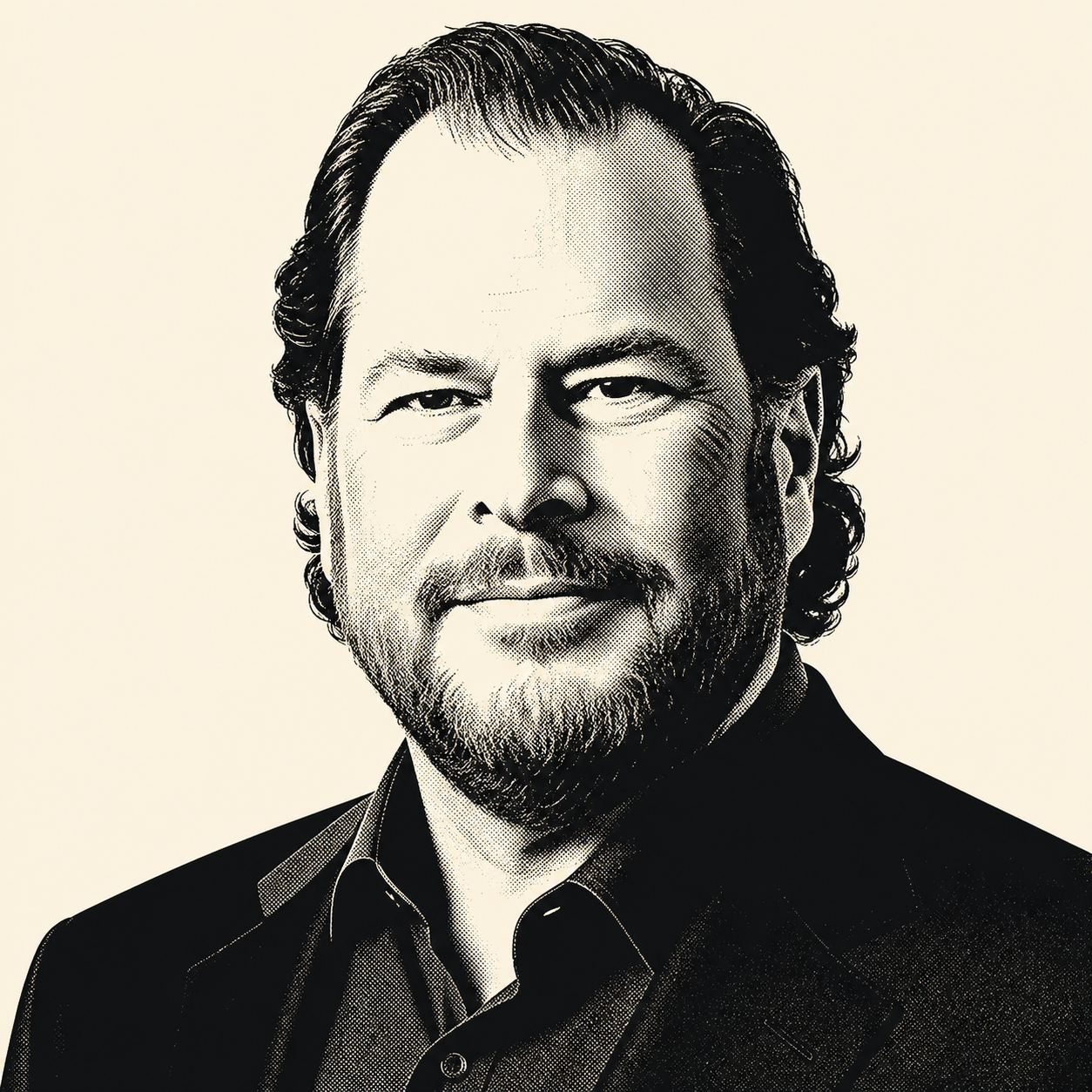
Stencil portrait of Marc Benioff

The compMagic Johnson

Big personality, bigger stage, and an instinct for making the entire arena feel like it had joined his fast break. Benioff turned software-as-a-service from a technical delivery model into a movement, made enterprise software theatrical, and built Salesforce into the league every business buyer had to understand. His showmanship became a distribution strategy, carrying the product far beyond the usual enterprise crowd. Some (maybe just me) would call him the Showtime of SaaS.

RANK#23
The infrastructure savant

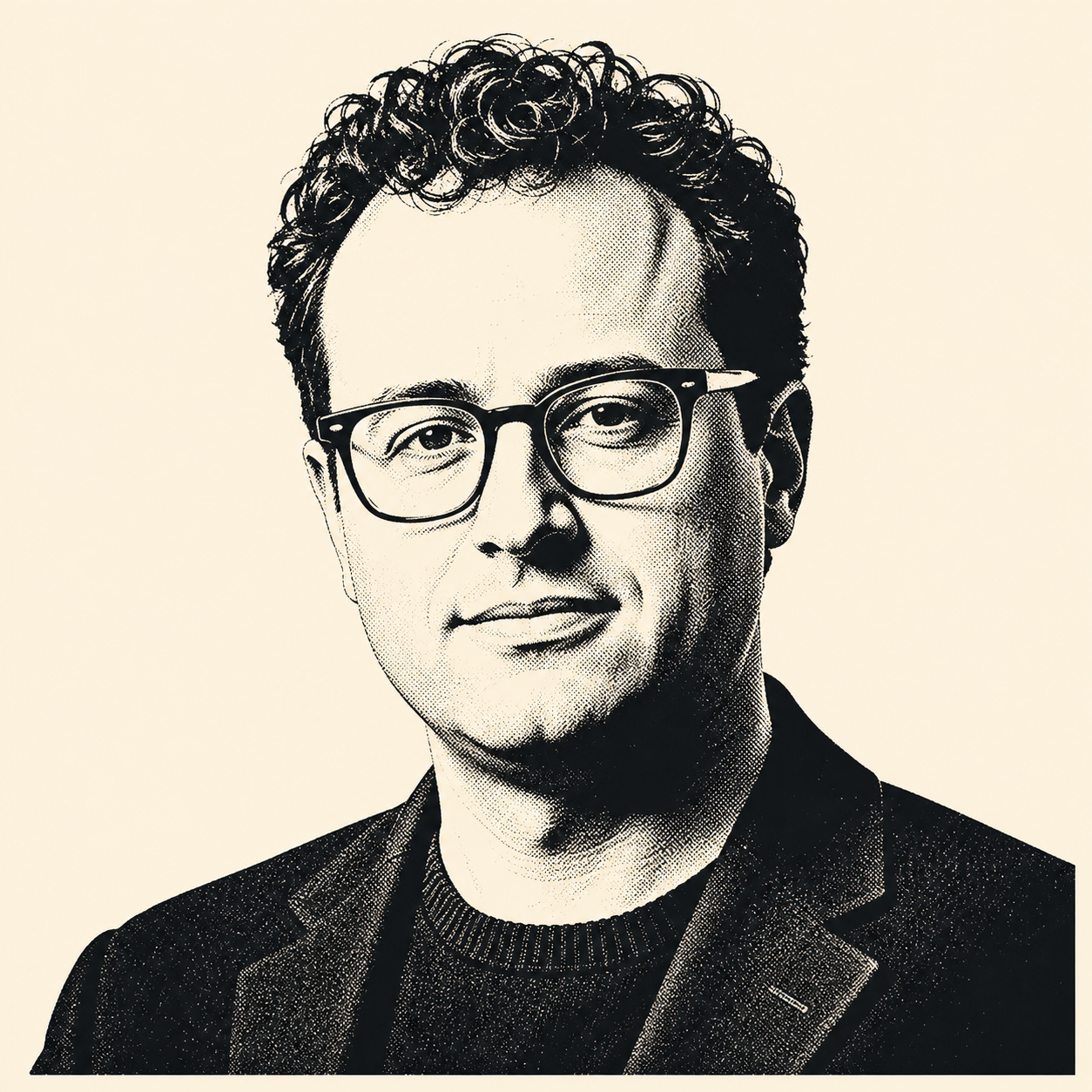
Patrick Collison

Stripe

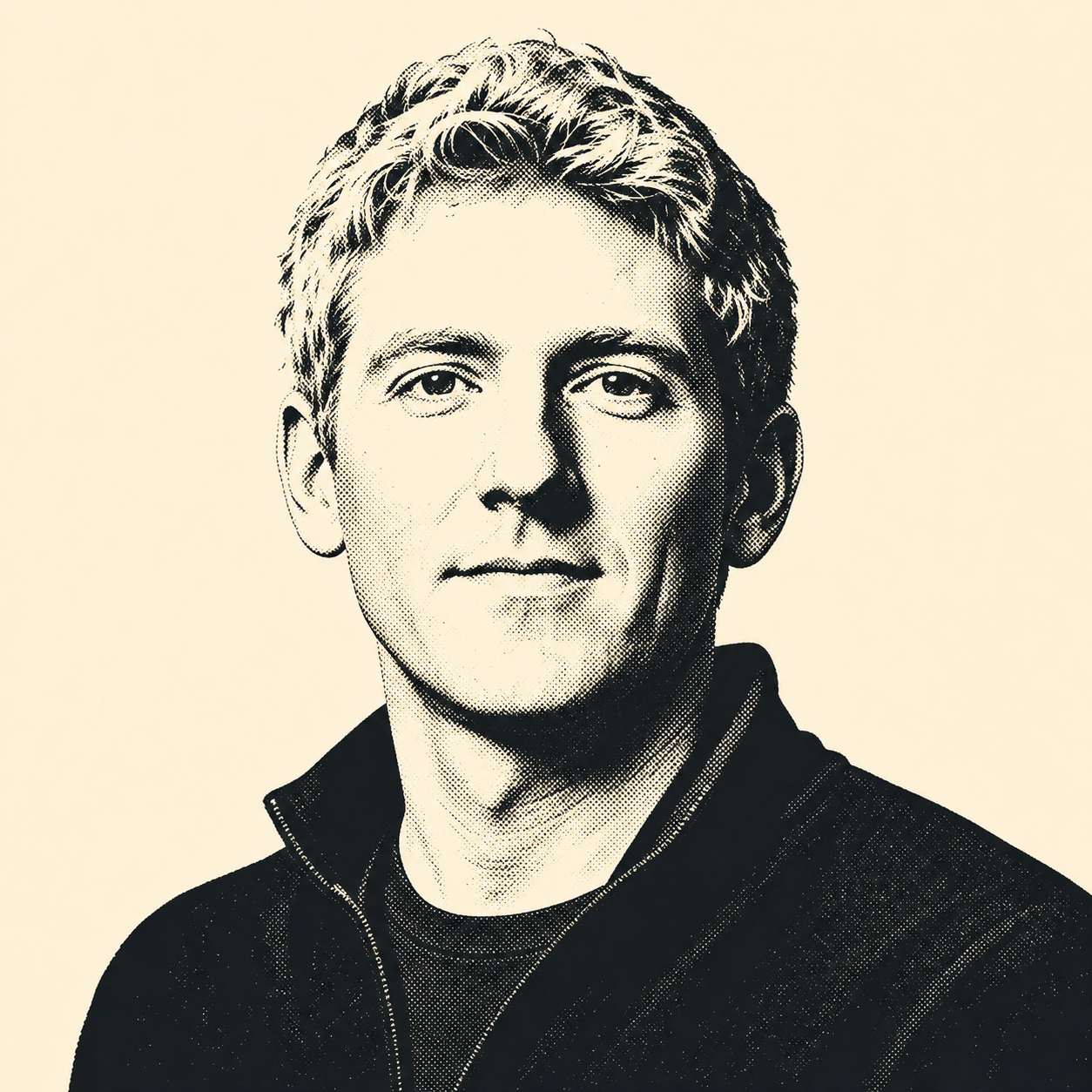
Stencil portrait of Patrick Collison

The compNikola Jokic

Stripe's defining trick was making difficult infrastructure feel obvious. Collison built the passing hub for internet commerce: accept money, expand globally, manage the ugly complexity, and let every other founder look more fluid. The work is technical, patient, and deliberately short on theater. He changes the geometry by making the entire offense easier to run.

RANK#24
The threat-network builder

George Kurtz

CrowdStrike

Stencil portrait of George Kurtz

The compNick Fury in The Avengers

Nick Fury’s superpower comes from seeing the threat early, connecting the signals, and assembling a system that can respond before the skyline disappears. Kurtz built CrowdStrike on the same premise. Every endpoint contributes intelligence, the network gets sharper as it grows, and customers buy the confidence that someone is watching the whole board. In cybersecurity, the quiet nights are the product.

RANK#25
The belief-market builder

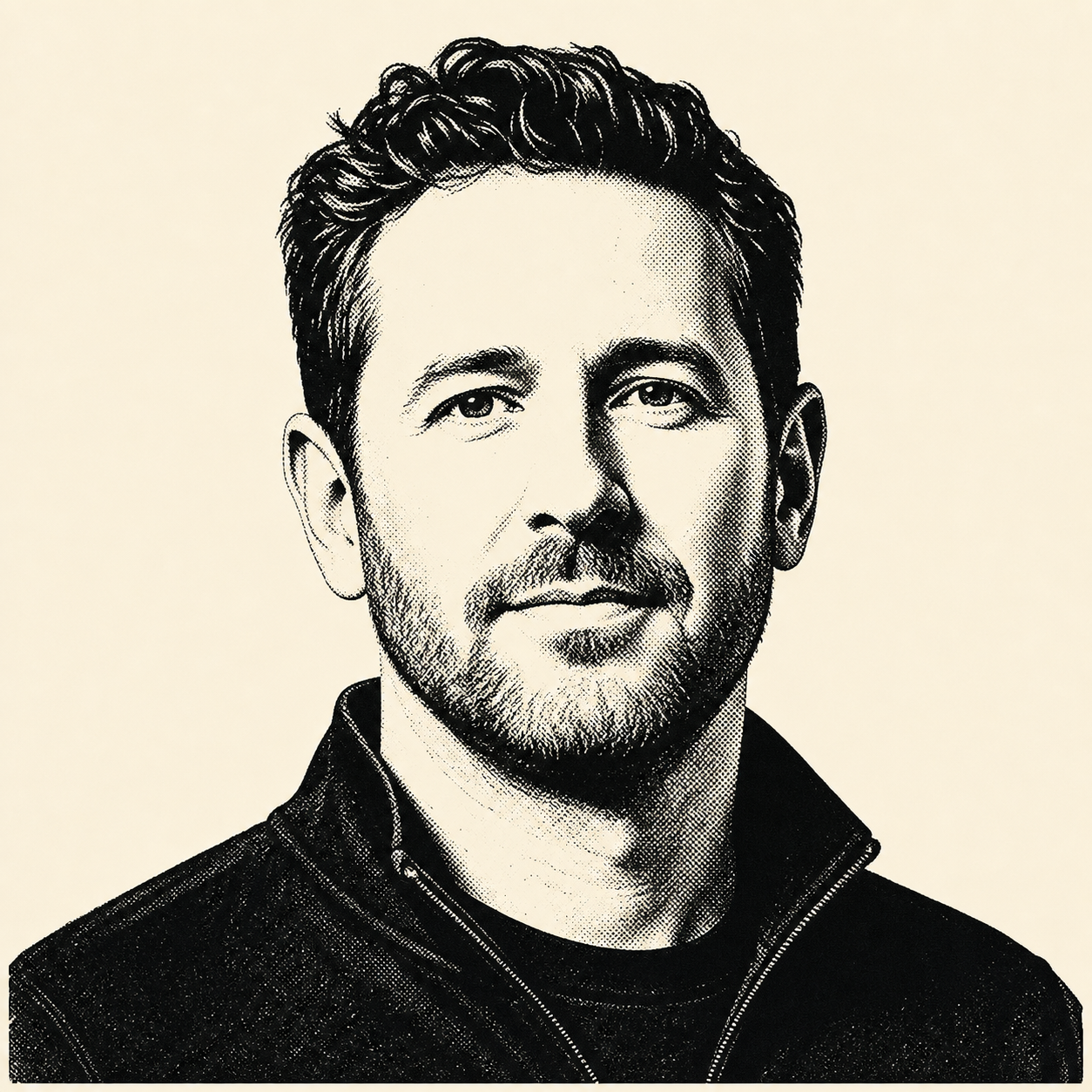
Brian Chesky

Airbnb

Stencil portrait of Brian Chesky

The compKevin Costner in Field of Dreams

“People will pay to sleep in a stranger’s spare room” sounded like the kind of sentence that gets you escorted out of a pitch meeting. Chesky built the field anyway. The real product was belief: strangers, hosts, and neighborhoods could form a trusted marketplace at global scale. Millions came, the travel industry had to acknowledge the cornfield, and Airbnb became a destination before it became a company category.

The criteria

Peak. Staying power. Reinvention. Aura.

The board rewards peak dominance, durability, reinvention, category creation, and the kind of mythology that makes every era feel like it belongs to one person.

Resume matters. Context matters. Vibes also matter. Every placement is defensible, every comp is arguable, and the group chat will revolt because no single right answer exists. Embrace debate.